

Awesome iptv encoder box Guide 2026
iptv encoder box technology stands at the forefront of modern content delivery, transforming how we consume media. In 2026, understanding the nuances of an iptv encoder box is more crucial than ever f...
iptv encoder box technology stands at the forefront of modern content delivery, transforming how we consume media. In 2026, understanding the nuances of an iptv encoder box is more crucial than ever for broadcasters, content creators, and businesses looking to leverage the power of Internet Protocol Television. This comprehensive guide will delve deep into everything you need to know about this essential piece of hardware, from its fundamental principles to advanced applications and future trends. Whether you’re a seasoned professional or just beginning to explore the world of IPTV, this article will equip you with the knowledge to make informed decisions about your encoding needs. The right iptv encoder box can make all the difference in delivering high-quality, reliable, and engaging content to your audience.
Table of ContentsUnderstanding the Core Functionality of an IPTV Encoder BoxKey Features to Look for in an IPTV Encoder Box in 2026Applications and Use Cases for the Modern IPTV Encoder BoxChoosing the Right IPTV Encoder Box for Your NeedsAdvanced Features and Future Trends for the IPTV Encoder BoxTroubleshooting Common Issues with Your IPTV Encoder BoxFrequently Asked Questions (FAQ)Related IPTV Services
Understanding the Core Functionality of an IPTV Encoder Box
At its heart, an iptv encoder box is a device that converts analog or digital video and audio signals into an IP-based stream. This conversion is the foundational step for delivering content over an internet network rather than traditional broadcast methods. Think of it as the bridge between your source material—be it a live camera feed, a Blu-ray player, or a set-top box—and the vast digital landscape of the internet. Without a robust iptv encoder box, the seamless streaming experience we’ve come to expect simply wouldn’t be possible.
The process involves several critical stages. First, the encoder captures the raw video and audio data. Next, it compresses this data using various codecs such as H.264 (AVC), H.265 (HEVC), or even newer, more efficient standards. Compression is vital for reducing bandwidth requirements, making it feasible to transmit high-definition or even 4K content over typical internet connections. Finally, the compressed data is encapsulated into an IP packet, ready to be sent across the network using protocols like RTP, RTMP, or HLS.
The choice of an iptv encoder box depends heavily on your specific needs, including the number of input sources, desired output resolutions, and the target audience’s viewing devices. A professional-grade encoder might offer multiple input options (HDMI, SDI, composite), support for various bitrates, and advanced features like error correction and adaptive bitrate streaming. For more information on channel availability and types, you might want to visit iptvbaba.com/channels.
Key Features to Look for in an IPTV Encoder Box in 2026
As technology evolves, so do the capabilities of an iptv encoder box. In 2026, several features stand out as crucial for optimal performance and future-proofing your investment. High-efficiency video coding (HEVC/H.265) support is paramount, offering significantly better compression ratios than H.264, which translates to higher quality at lower bitrates or the ability to stream 4K content more efficiently. This is especially important as more and more viewers demand ultra-high-definition experiences.
Multi-channel and multi-format encoding capabilities are also highly desirable. A versatile iptv encoder box can process multiple video inputs simultaneously, encoding each into different resolutions and bitrates. This allows you to serve a diverse audience with varying internet speeds and device capabilities, from mobile phones to large-screen TVs. Look for encoders that support a wide array of streaming protocols, ensuring compatibility with various CDN services and playback devices.
Reliability and low latency are non-negotiable, particularly for live broadcasts. Features like redundant power supplies, robust error correction, and advanced network management tools contribute to a stable and uninterrupted stream. For applications like live sports or interactive events, minimizing latency is critical to maintaining viewer engagement. User-friendly interfaces for configuration and monitoring are also a big plus, simplifying operation and troubleshooting.
Applications and Use Cases for the Modern IPTV Encoder Box
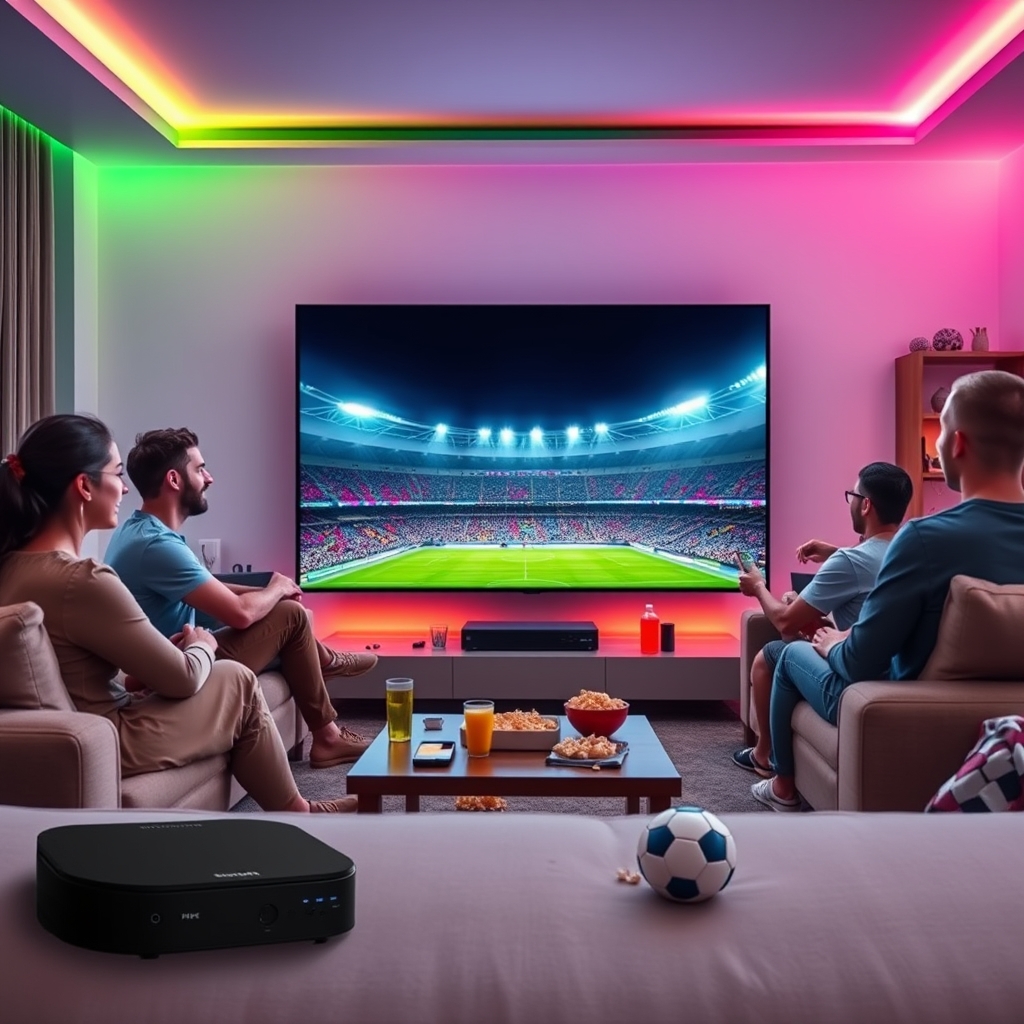
The versatility of an iptv encoder box means it finds applications across a myriad of industries. In broadcasting, it’s essential for delivering live news, sports, and entertainment to global audiences via IPTV platforms. Content creators use encoders to stream live events, webinars, and gaming sessions to platforms like YouTube, Twitch, and custom-built streaming services. The quality of the stream, heavily influenced by the iptv encoder box, directly impacts viewer satisfaction and engagement.
Corporate environments leverage encoders for internal communications, such as company-wide meetings, training sessions, and town halls, ensuring employees can access vital information regardless of their location. Educational institutions utilize them for distance learning, lecture capture, and broadcasting campus events, expanding access to knowledge. Even in niche markets like digital signage, an iptv encoder box can be used to distribute high-quality video content to multiple displays.
The healthcare sector also benefits, employing encoders for telemedicine consultations, surgical training, and broadcasting medical conferences. The ability to securely and reliably transmit high-definition video is critical in these sensitive applications. For a better understanding of device compatibility with IPTV services, explore iptvbaba.com/devices.
Choosing the Right IPTV Encoder Box for Your Needs
Selecting the optimal iptv encoder box requires careful consideration of several factors. First, assess your input sources: are you dealing with HDMI, SDI, composite, or even IP camera feeds? The encoder must have the appropriate input ports. Next, consider your desired output quality and resolution. Do you need SD, HD, Full HD, or 4K streaming? This will dictate the processing power and codec support required.
Bandwidth availability is another critical aspect. If you have limited internet bandwidth, an encoder supporting HEVC will be more efficient. Conversely, if bandwidth is abundant, you might prioritize lower latency or higher bitrates for maximum quality. Think about the number of simultaneous streams you need to generate. Some encoders are single-channel, while others can handle multiple inputs and produce various output profiles concurrently.
Budget is, of course, a practical consideration. An iptv encoder box can range from a few hundred dollars for basic models to several thousands for professional-grade, multi-channel solutions. Balance your budget with your performance requirements and future growth plans. It’s often wise to invest in a slightly more capable encoder than you currently need to accommodate future expansion. For details on various pricing tiers, check out iptvbaba.com/pricing.
Advanced Features and Future Trends for the IPTV Encoder Box
In 2026, the cutting edge of iptv encoder box technology includes features that enhance both performance and flexibility. Artificial Intelligence (AI) and Machine Learning (ML) are beginning to play a role, optimizing encoding parameters in real-time based on content complexity, network conditions, and audience device capabilities. This can lead to more efficient bandwidth usage and a consistently higher quality of experience.
Cloud-based encoding is also gaining traction. Instead of relying solely on on-premise hardware, content creators can leverage cloud infrastructure for scalable and flexible encoding, especially for burst events or global distribution. Hybrid models, combining the reliability of a physical iptv encoder box with the scalability of the cloud, are becoming increasingly popular.
Support for emerging codecs like AV1 and VVC (Versatile Video Coding) will become more prevalent, offering even greater compression efficiency. Furthermore, enhanced security features, including advanced encryption and DRM (Digital Rights Management) integration, are crucial for protecting valuable content from unauthorized access. The evolution of the iptv encoder box is directly tied to the ever-increasing demand for higher quality, more accessible, and more secure video content across all platforms.
Troubleshooting Common Issues with Your IPTV Encoder Box
Even the most advanced iptv encoder box can encounter issues. One common problem is video stuttering or buffering, which can be caused by insufficient bandwidth, incorrect bitrate settings, or network congestion. Start by verifying your internet connection speed and checking if your encoder’s output bitrate aligns with your available upload speed. Adjusting the bitrate downwards can often resolve this.
No video output is another frequent concern. First, check all physical connections – HDMI, SDI, Ethernet cables – to ensure they are securely plugged in. Verify that the input source is active and sending a signal. Within the iptv encoder box’s interface, confirm that the correct input is selected and that the encoding process has been initiated. Sometimes, a simple reboot of the encoder and the source device can clear minor glitches.
Audio sync issues, where the audio is out of step with the video, can be particularly frustrating. This often stems from processing delays. Check for any audio delay settings within your encoder or source device. Ensuring that your encoder’s firmware is up to date can also resolve many compatibility and performance issues. Always consult the manufacturer’s documentation for specific troubleshooting steps related to your particular iptv encoder box model.
Frequently Asked Questions (FAQ)
What is an iptv encoder box and what does it do?
An iptv encoder box is a hardware device that converts video and audio signals (from sources like cameras, set-top boxes, or media players) into an IP-based digital stream. This stream can then be transmitted over an internet network, allowing content to be delivered to various devices and platforms via IPTV.
What are the main types of connections an iptv encoder box uses?
Common input connections for an iptv encoder box include HDMI, SDI (Serial Digital Interface), and composite video. For network output, Ethernet ports are standard. Some advanced encoders also support IP camera inputs directly.
Why is H.265 (HEVC) important for an iptv encoder box in 2026?
H.265 (HEVC) is crucial because it offers significantly better compression efficiency compared to older codecs like H.264. This means you can achieve higher video quality at lower bitrates, or stream 4K and 8K content more efficiently, saving bandwidth and improving the viewing experience.
Can I stream live events with an iptv encoder box?
Yes, absolutely. An iptv encoder box is specifically designed for live streaming. It takes a live video and audio feed, encodes it in real-time, and streams it over the internet to your chosen platform or CDN, making it ideal for live sports, news, and events.
How do I choose the best iptv encoder box for my home or business?
To choose the best iptv encoder box, consider your input sources (HDMI, SDI), desired output resolution (SD, HD, 4K), available internet bandwidth, the number of simultaneous streams needed, and your budget. For professional use, prioritize reliability, advanced features, and scalability.
Related IPTV Services
You may also visit the following websites for similar services:

Related Articles
Ready to Experience IPTV Baba?
Join thousands of satisfied customers streaming 25,000+ channels
Get Started Today